
how hybrid vigor improves pig performance
Hybrid vigor, also known as heterosis, plays a critical role in enhancing the performance of pigs. This phenomenon occurs when crossbreeding individuals from different genetic backgrounds results in offspring that exhibit improved traits compared to their purebred parents. The enhanced performance can be attributed to several factors inherent in hybrid vigor:
Increased Growth Rates: Hybrid pigs typically display superior growth rates. The combination of diverse genetic material enables these animals to better utilize nutrients for growth, leading to a faster rate of gain compared to purebred counterparts.
Improved Feed Efficiency: One of the significant advantages of hybrid vigor is the enhanced feed efficiency observed in hybrid pigs. They are able to convert feed into body weight more effectively, which can reduce overall feeding costs for producers.
Higher Reproductive Performance: Hybrid pigs tend to exhibit better reproductive performance, including higher litter sizes, improved fertility rates, and reduced birth intervals. This bolsters the overall productivity of breeding programs and enhances farm profitability.
Resistance to Diseases: Hybrid vigor often correlates with increased resilience against diseases and stressors. The greater genetic diversity in hybrid pigs can result in a more robust immune response, reducing mortality rates and the need for veterinary interventions.
Performances in Various Environments: Hybrid pigs are generally more adaptable to different environments. This adaptability ensures stable performance across various farming conditions, making them a versatile choice for producers worldwide.
Utilizing hybrid vigor effectively can transform pig production, leading to more efficient meat production, enhanced animal welfare, and sustainability in pig farming practices. Notably, the application of hybrid breeding strategies enables breeders to harness these advantages, resulting in a significant positive impact on overall herd performance.
- Hybrid pigs often outperform purebreds in growth rates.
- Improved feed conversion ratios are a hallmark of hybrid vigor.
- Increased reproductive rates contribute to higher productivity levels.
- Improved disease resistance leads to lower mortality rates.
- Hybrid vigor offers adaptability to various environments.
The careful selection of parent breeds and management practices plays a vital role in realizing the benefits of hybrid vigor.
Understanding hybrid vigor in pigs
Hybrid vigor in pigs stems from the combination of diverse genetic traits that come from the parents involved in breeding. This genetic diversity results in offspring that can perform better than either parent breed. The fundamental mechanism behind hybrid vigor is the genetic complementation, where the combination of alleles from different breeds compensates for each other’s weaknesses, leading to enhanced traits. For example, if one breed has a propensity for rapid growth but lower disease resistance, while another has good disease resistance but slower growth, their hybrid offspring may inherit the best attributes from both, resulting in superior growth rates along with better health.
To fully understand hybrid vigor, it is essential to look at the basic genetic principles involved:
- Alleles and Dominance: Different breeds can have different forms (alleles) of the same gene. In hybrid pigs, the dominance of these alleles can manifest in advantageous ways, where dominant traits from both breeds improve overall performance.
- Genetic Diversity: Increased genetic variation is critical for hybrid vigor. The more diverse the genetic background of the parent pigs, the greater the potential for superior traits in the hybrids. This trait diversity enables the hybrid pigs to better respond to varying environmental pressures.
- Inbreeding Depression: Purebred pigs may suffer from inbreeding depression, where negative traits become amplified due to a lack of genetic diversity. Crossbreeding helps mitigate this issue, as it can introduce new genes and traits that enhance performance.
Moreover, the role of environmental factors cannot be overlooked when discussing hybrid vigor. Factors such as nutrition, housing conditions, and management practices play a significant role in how hybrids perform. Proper management that aligns with the best practices for feeding and care can significantly amplify the benefits derived from hybrid vigor.
To deepen the understanding of hybrid vigor, consider the impact of specific genes on performance traits. Certain breeds may carry specialized genes that, when combined in hybrids, result in enhanced growth rates or improved reproduction. For example, the Pietrain breed is known for its muscle growth, while the Yorkshire breed is recognized for its maternal characteristics. When these breeds are crossbred, the resulting hybrids can produce not only heavy muscled offspring but also enhance weaning weights due to improved maternal behavior.
In essence, comprehending hybrid vigor in pigs is vital for the implementation of successful breeding programs. By ensuring the right genetic combinations and taking into account environmental and management factors, breeders can harness the full potential of hybrid vigor to optimize pig performance.
Benefits of hybrid breeding
Hybrid breeding presents a multitude of benefits that can significantly enhance the overall performance of pigs on farms. One prominent advantage is the improvement of growth rates, as hybrid pigs tend to grow faster than their purebred counterparts. The genetic diversity introduced through crossbreeding allows hybrids to effectively utilize nutrients, leading to accelerated weight gain. This not only benefits producers by shortening the time to market but also enhances the overall efficiency of production.
Another compelling benefit of hybrid breeding is the improvement in feed efficiency. Hybrid pigs excel at converting feed into body weight, exhibiting better feed conversion ratios. This efficiency translates into reduced feeding costs, which is an essential aspect of profitability in pig production. By optimizing feed usage, farmers can achieve sustainable and economically viable operations while maintaining high animal welfare standards.
Reproductive performance is also notably enhanced in hybrid pigs. These animals often produce larger litters and exhibit improved fertility rates compared to purebred pigs. For instance, a well-planned hybrid breeding program can boost the number of piglets per sow, leading to increased productivity on farms. In some cases, the fertility advantages can also reduce the intervals between breeding cycles, further amplifying efficiency in production systems.
Moreover, hybrid vigor contributes to stronger health and disease resilience among pigs. The increased genetic diversity in hybrid offspring generally leads to a more robust immune response. As a result, hybrid pigs tend to experience lower mortality rates and a decreased need for veterinary interventions. This resilience can be crucial in maintaining herd health, especially in environments where disease challenges are prevalent.
Adaptability is another vital trait associated with hybrid pigs. Their ability to thrive in various environmental conditions makes them an attractive choice for producers operating under different farming practices. Whether in extensive outdoor systems or intensive indoor housing, hybrids can perform consistently well, ensuring stable production levels.
To summarize the benefits of hybrid breeding, the following key points outline its advantages clearly:
- Enhanced Growth Rates: Hybrid pigs achieve faster weight gain due to superior nutrient utilization.
- Improved Feed Efficiency: Better feed conversion leads to lower feeding costs and increased profitability.
- Higher Reproductive Performance: Increased litter sizes and improved fertility rates enhance overall productivity.
- Resistance to Diseases: The genetic diversity in hybrids results in greater resilience, lowering mortality and disease incidence.
- Adaptability: Hybrid pigs thrive in various environments, contributing to consistent production outcomes.
The careful selection of appropriate parent breeds and the implementation of effective management strategies are instrumental in maximizing these benefits. By consciously integrating hybrid vigor into breeding programs, farmers can achieve notable improvements in herd performance, ultimately leading to more sustainable and profitable pig farming operations.
Key factors influencing performance
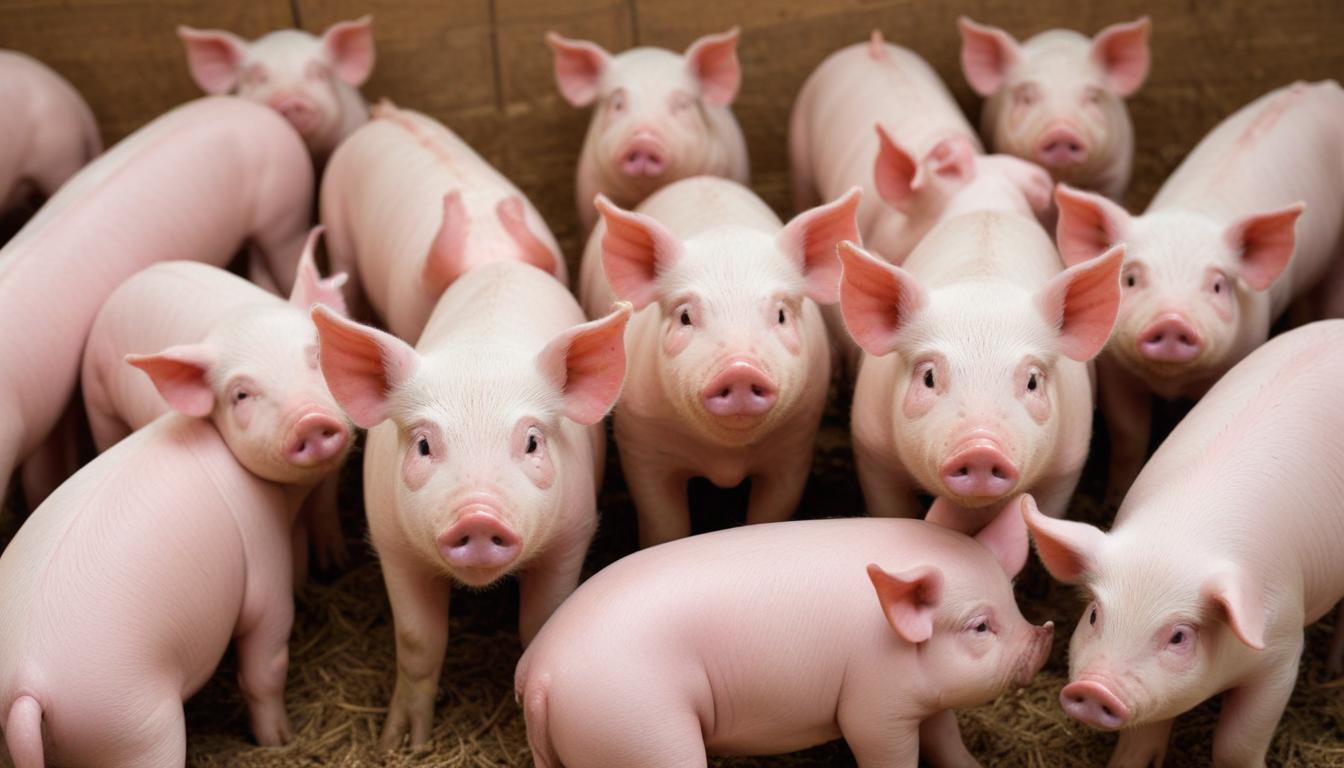 Key factors that influence the performance of hybrid pigs are multifaceted, encompassing genetic, environmental, and management aspects. Understanding these factors is essential for optimizing hybrid vigor and ensuring that the advantages of hybrid breeding are fully realized.
One of the primary factors is genetic diversity. The overall performance of hybrid pigs is significantly enhanced through the careful selection of parent breeds that complement each other’s strengths and weaknesses. For example, when selecting breeds for hybridization, producers look for attributes such as superior growth rates, enhanced disease resistance, and reproductive efficiency. The hybrid offspring benefit from the pooled genetic traits of their parents, which often lead to superior outcomes in performance traits.
Additionally, the interplay of heterosis plays a crucial role in driving performance metrics among hybrid pigs. Heterosis is observed when the hybrid offspring outperform both parent breeds regarding specific traits. This phenomenon results from genetic complementation, where advantageous alleles from different breeds come together to produce enhanced traits, such as faster growth and better feed conversion efficiency.
Moreover, the environmental conditions under which pigs are raised significantly impact their performance. Factors such as nutrition, housing quality, and overall management practices can alter how effectively hybrid vigor can be expressed in the offspring. For instance, providing a balanced diet rich in essential nutrients allows hybrids to capitalize on their genetic potential for growth and reproduction. Conversely, poor management practices can hinder performance, leading to a failure in realizing the full benefits of hybrid vigor.
To illustrate the significance of these factors, consider the following points:
- Genetic Pool Selection: The choice of breeds for hybridization affects the genetic diversity and the resultant performance of the pigs.
- Environmental Adaptation: Different hybrids may respond better to specific environmental conditions, underlining the importance of matching genetic traits with the farming system.
- Management Practices: Effective management strategies, including nutrition and housing, maximize the genetic potential derived from hybrid vigor.
- Health Status: Maintaining a robust health status in pigs through good management can further amplify the benefits of hybrid vigor.
Another critical consideration is the impact of breeding strategies. Breeders should implement systematic approaches to crossbreed pigs to maximize hybrid vigor effectively. This includes selecting optimal breeding pairs, timing of breedings to ensure proper conditions, and utilizing modern genetic tools to evaluate potential pairings for the best outcomes.
In summary, several key factors collectively influence the performance of hybrid pigs. By focusing on genetic diversity, understanding the benefits of heterosis, and managing the environmental conditions effectively, producers can significantly enhance the productivity and efficiency of their pig farming operations. The interplay of these elements is crucial in harnessing the advantages brought about by hybrid vigor, ultimately leading to improved meat production and farm sustainability.
Comparative studies on hybrid vs. purebred pigs
Comparative studies of hybrid versus purebred pigs have provided critical insights into the impact of hybrid vigor on swine performance. These studies often measure various performance traits, including growth rates, feed efficiency, reproductive success, and overall health, allowing producers to assess the tangible benefits of hybrid breeding strategies.
Research indicates that hybrid pigs generally outperform their purebred counterparts across several key performance measures. For example, one notable study compared the growth rates of hybrid offspring from different parental breeds against purebred pigs. The results consistently showed that hybrids achieved significantly higher average daily gains. This can be attributed to the diverse genetic makeup that allows hybrids to utilize feed more effectively. A typical outcome highlighted in these studies is that hybrid pigs can gain weight approximately 10% to 20% faster than purebred pigs under similar management conditions.
Another area of focus in comparative studies is feed efficiency. Numerous trials have documented that hybrid pigs require less feed to achieve the same weight gain as purebreds. This improved feed conversion ratio not only leads to cost savings for farmers but also supports more sustainable production practices. For instance, research published in agricultural journals has illustrated that hybrids can convert feed to body mass 20% more efficiently than purebreds, significantly enhancing profitability while reducing environmental impact.
Reproductive performance is another critical dimension where hybrid vigor shines. Comparative analysis has revealed that hybrid sows tend to produce larger litter sizes and exhibit higher fertility rates. A distinct advantage for hybrid breeding is the reduction in the interval between breeding cycles, which is often shorter than that observed in purebred lines. Some studies report that hybrid sows can produce 1 to 2 more piglets per litter compared to their purebred counterparts, adding considerable value to the breeding stock.
Health and disease resistance are also focal points in these comparisons. Several studies have documented the enhanced resilience of hybrid pigs to various diseases, likely due to the broader genetic diversity within hybrid lineages. This increased vigor leads to lower mortality rates and reduces the reliance on veterinary interventions for disease management. Data from herd health assessments have demonstrated that hybrid pigs experience up to 30% fewer health issues than purebreds in similar farming environments.
The following table summarizes key findings from several comparative studies:
| Performance Metric | Hybrid Pigs | Purebred Pigs |
|---|---|---|
| Average Daily Gain | 10%-20% higher | Standard Growth Rates |
| Feed Conversion Ratio | 20% more efficient | Less efficient |
| Litter Size | 1-2 piglets more | Standard Litter Size |
| Disease Resistance | 30% fewer health issues | Higher incidence |
Overall, the evidence drawn from comparative studies highlights the advantages of hybrid breeding, particularly in terms of productivity and health. These findings underscore the importance of leveraging hybrid vigor to enhance the performance of pigs on commercial farms, providing a compelling case for producers to adopt hybrid breeding strategies in their operations. The integration of diverse genetics through hybridization not only drives performance improvements but also contributes to the long-term sustainability of pig farming practices.
Best practices for implementing hybrid breeding strategies
Implementing hybrid breeding strategies successfully requires a systematic approach and adherence to best practices that enhance the benefits of hybrid vigor. One of the primary steps in this process is the selection of parent breeds. Choosing breeds that complement each other’s strengths is vital. Ideally, producers should select breeds known for their superior traits in growth rates, feed efficiency, disease resistance, and reproductive success. This careful selection can lead to hybrids exhibiting notable improvements in performance traits.
To facilitate successful breeding outcomes, employing genetic evaluations is critical. Modern genetic tools and technologies can help breeders select optimal pairs by analyzing lineage and performance metrics. This data-driven approach allows for informed decision-making, optimizing the genetic diversity and heterosis in the offspring. By selecting parent breeds based on genetic compatibility and desired trait enhancement, the potential for improved performance is maximized.
Another important component is environmental management. Ensuring that hybrid pigs are raised in conditions that promote their health and growth is crucial. Key considerations include providing a balanced diet rich in essential nutrients, maintaining clean and comfortable housing, and employing effective health management practices. Proper nutrition is particularly important, as hybrids often have higher nutritional requirements due to their increased growth rates. An optimal feeding program aligns with the genetic potential of hybrids, enabling them to thrive and showcase enhanced performance.
In addition to addressing nutrition and housing, it is also essential to implement management practices that prioritize animal welfare. Practices such as proper handling, stress reduction, and health monitoring can significantly impact the expression of hybrid vigor. Creating an environment where pigs are less stressed and healthier optimizes their growth, reproduction, and overall performance.
Breeders should also consider utilizing crossbreeding systems strategically. There are different models for crossbreeding, including rotational, terminal, and composite systems, each with its own advantages. For instance, a rotational system can enhance genetic diversity while a terminal system maximizes growth and meat quality in the market hogs produced. Selecting the appropriate system based on specific production goals can further enhance the effectiveness of hybrid breeding strategies.
Furthermore, regular assessment and feedback loops are necessary for continual improvement. Tracking the performance metrics of hybrid offspring against expectations allows producers to make informed adjustments to breeding programs. This data-driven approach ensures that best practices evolve over time, responding to the dynamic needs of the herd and market conditions.
In summary, the successful implementation of hybrid breeding strategies relies on a multifaceted approach that includes breed selection, genetic evaluation, environmental management, effective management practices, and strategic crossbreeding systems. By following these best practices, producers can fully harness the potential of hybrid vigor, driving improvements in pig performance and fostering greater efficiencies in pig production.